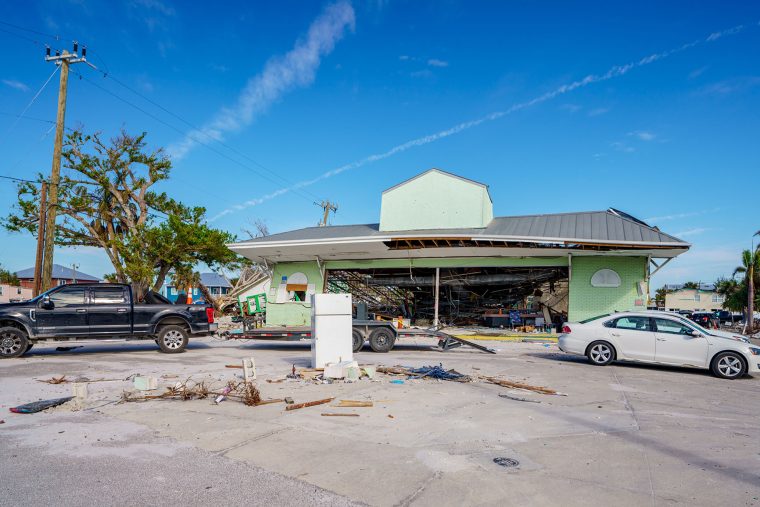
As we move through the first quarter of the year, spring is the right time for commercial property owners to inspect their buildings before summer storms arrive. In Southwest Florida, heat, rain, and hurricane threats make early inspections more than routine—they’re risk management. A structured spring property inspection can prevent expensive repairs and protect long-term property value. Here’s what you need to know.
Key takeaways for commercial property owners:
- Spring inspections help reduce storm-related damage
- Roofs, drainage, and HVAC systems should be reviewed early
- Insurance carriers expect documented maintenance
- Preventive inspections protect tenants and asset value
Roof and Building Envelope Inspections in Southwest Florida
Roof systems take constant exposure from sun, wind, and seasonal storms. By spring, small issues from the previous year may not be obvious but can worsen quickly during summer rain. Flat commercial roofs, flashing, and drainage systems should be inspected for cracks, pooling water, and seam separation.
Exterior walls, windows, sealants, and doors should also be reviewed. Water intrusion often begins at weak seal points and can spread into insulation and electrical systems. The Insurance Institute for Business & Home Safety notes that strengthening roof systems and performing regular inspections helps reduce storm damage for commercial buildings (IBHS Fortified Commercial Program).
Across Punta Gorda, Port Charlotte, and Venice, proactive roof inspections before hurricane season help owners avoid emergency repairs during the busiest months for contractors.
HVAC, Electrical, and Life-Safety System Checks
Spring is also the best time to service HVAC systems before temperatures rise. In Southwest Florida, cooling systems operate most of the year, and neglected maintenance often leads to breakdowns during peak heat. Early servicing improves efficiency, lowers operating costs, and extends equipment life.
Electrical panels, surge protection, and backup systems should also be evaluated. Insurers are paying closer attention to electrical safety in older commercial properties. According to the U.S. Department of Energy, regular HVAC maintenance improves performance, reduces energy costs, and helps prevent unexpected system failures (DOE Air Conditioner Maintenance).
Life-safety systems—including fire alarms, extinguishers, and emergency lighting—should also be inspected annually to maintain compliance and reduce liability.
Site Drainage, Parking Areas, and Preventive Planning
Beyond the building structure, site conditions play an important role in storm readiness. Parking lots, sidewalks, and curbing should be checked for cracks, uneven surfaces, and trip hazards. Drainage around the property should also be reviewed to prevent flooding during heavy rain.
Stormwater management is a common concern across Sarasota and Charlotte counties. Cleaning drains, clearing debris, and checking grading can prevent water from collecting near foundations or entrances.
Consistent oversight helps owners track maintenance, coordinate vendors, and plan for long-term repairs. Property owners looking for guidance on buying, selling, or managing assets can learn more about Southwest Florida commercial real estate opportunities.
Ready to Prepare Your Property for the Season Ahead?
Spring inspections allow commercial property owners to address small issues before summer storms create larger problems. Preventive maintenance helps protect tenants, limit insurance risk, and maintain long-term property value.
Avalon Suncoast works with commercial property owners across Punta Gorda, Port Charlotte, Venice, North Port, and Sarasota to manage buildings with care and accountability.
If you’re ready to review your property before hurricane season begins, contact Avalon Suncoast today. We’re here to help you protect your investment and keep your property performing at its best.